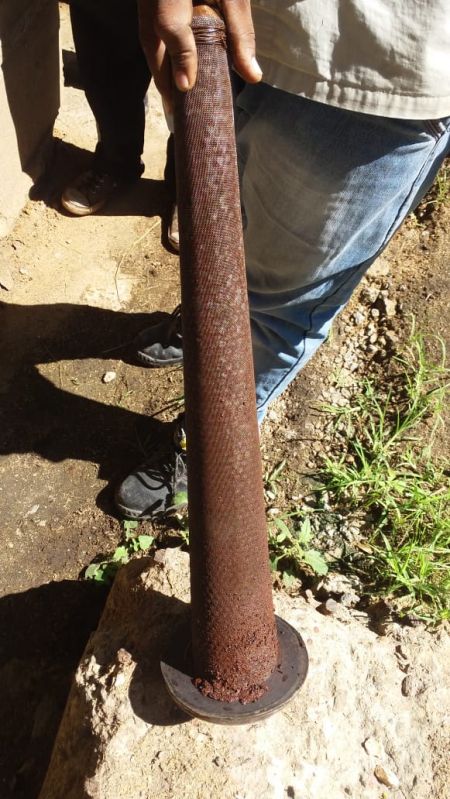
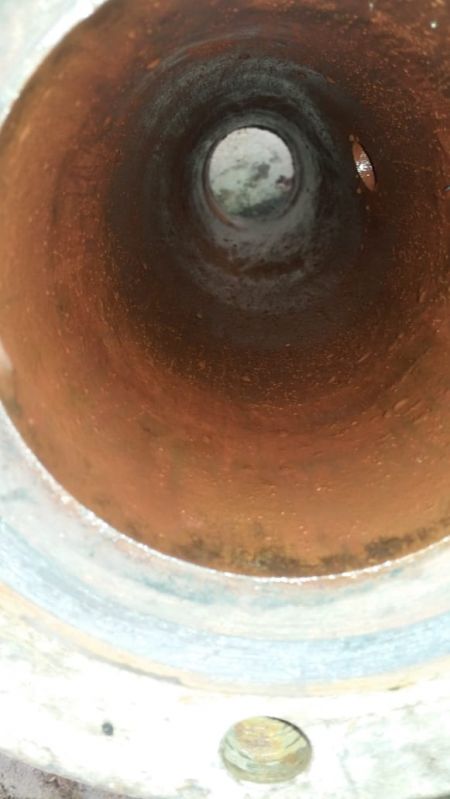
Another one subject to the problem is the operating time of the boiler. If it is not operating 24 h/day the Feedwater temperature will drop, oxygen will dilluted and oxygen corrosion will take place, no matter if oxygen scavenger is used. In such a case it should be used a strong passivator like DEHA in order to diminish the iron corrosion during stand-by time.
Yes. It is corrosion products transferred from the Feedwater There are two possibilities for their source. The first one is to be corrosion of Steam /Condensate pipeline, and the second to be corrosion of the Deaerator and/or Feedwater tank.
You should have historical data of water analyzes (including iron and oxygen scavenger residual) from these two points in order to find the reason of the problem, which you could anticipate.
Yes De-aerators can corrode because by their nature oxygen will be present. How you treat them depends entirely what the boilers are they are supplying. If they are relatively low pressure up to 25 bar, then I would dose caustic to the de-aerator. Oxygen scavengers are normally dosed after the de-aerator. As others have said, if chlorides are high then corrosion can occur because localised elevated chlorides can take place. Higher pressure or water tube boilers will need to be looked at differently.
Yes, there can be corrosion in the de-aerator to a boiler, but it generally requires low pH feed water, and/or makeup water. High chloride content in the water will generally result in higher corrosion rates. Poor removal of oxygen, or bad operating conditions of the DA will result in corrosion of the internals, and that gets expensive.
If this question refers to a Deaerator used in a boiler feedwater system to remove dissolved gases, then YES - a corrosion threat exists and must be addressed. Both micro and macro corrosion can occur depending upon the ionic species present in the feedwater. The discussion of these corrosion threats is much to involved to be addressed in a message board. I can refer you to various technical articles should you be interested in further reasearch. Let me know via email at H2Odocnnj@gmail.com
ClO2 is an oxidizer, so inherently, it is corrosive; however, at our treatment levels (extremely low residual of ClO2) our clients do not experience corrosion issues. A great perspective on this fact is that we have units in hospitals to control legionella in drinking water through copper piping and we do not experience corrosion. If anywhere, we’d see corrosion in copper.
On the Oil and Gas side we have treated water for thousands of hydraulically fractured wells and have never experienced corrosion…in fact, due to the elimination of bacteria and H2S, we see corrosion decrease.